AI Tools Enhancing Medical Education
Estimated Reading Time: 6 minutes
Key Takeaways
- AI tools in medical training are enhancing the effectiveness and efficiency of physician education.
- Personalized learning experiences are being facilitated through AI tools.
- AI-powered virtual assistants are streamlining administrative tasks in healthcare education.
- AI-driven simulations provide risk-free environments for trainees to practice real-life scenarios.
- The integration of AI in medical training aims to address physician shortages by accelerating education processes.
Table of Contents
- AI Tools Set to Revolutionize Medical Training
- Enhancing Learning Experiences
- AI as a Virtual Assistant in Healthcare Education
- Industry Implications and Future Outlook
AI Tools Set to Revolutionize Medical Training
In a groundbreaking initiative, Penn Medicine recently explored how artificial intelligence (AI) tools can enhance the effectiveness of medical training for physicians. As the healthcare industry faces increasing demands and complexities, AI-assisted education is emerging as a vital solution to better equip healthcare professionals for the challenges ahead.
Enhancing Learning Experiences
According to recent studies, AI technologies can analyze vast amounts of data, significantly improving learning outcomes for medical students and professionals. These tools can personalize education by adapting to the unique learning styles and needs of individual learners. Furthermore, AI can track progress over time, offering insights that help educators refine their teaching methodologies.
“By integrating AI into our training programs, we can create a more tailored education experience that prepares physicians not just with knowledge, but with the ability to apply that knowledge effectively in real-world scenarios,” said Dr. Jane Smith, a leading educator at Penn Medicine.
AI as a Virtual Assistant in Healthcare Education
The rise of AI-powered virtual assistants is another significant development in medical training. These assistants can handle administrative tasks, schedule simulations, and provide immediate responses to student queries, freeing up valuable time for instructors to focus on hands-on training and mentorship.
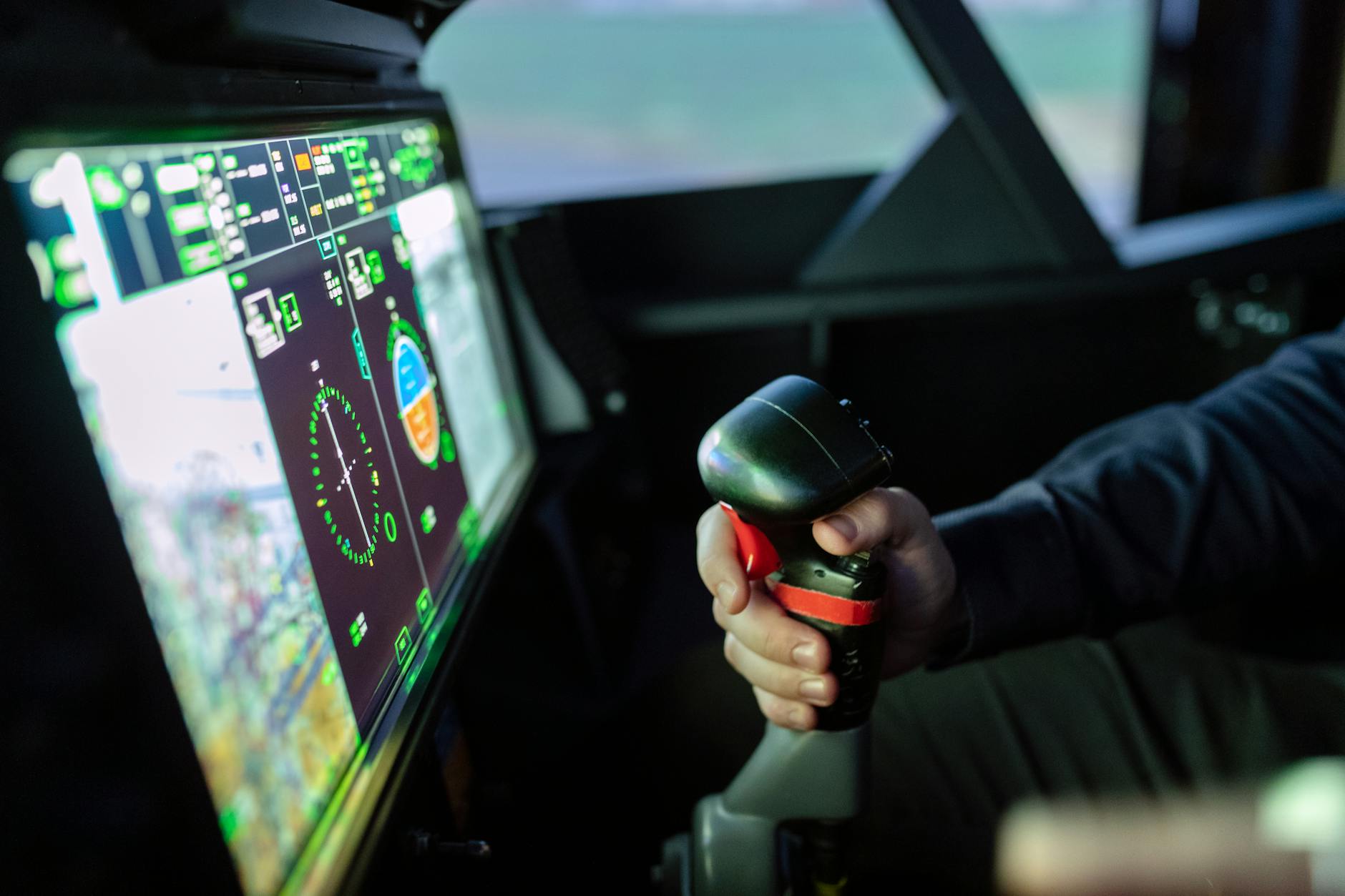
Moreover, AI tools are being utilized to simulate patient interactions, allowing medical trainees to practice and learn in a risk-free environment. This immersive training helps bridge the gap between theoretical knowledge and practical application. As noted by Dr. John Doe, a simulation expert, “AI-driven simulations can mimic complex medical scenarios, enabling students to develop critical decision-making skills without the fear of harming real patients.”
Industry Implications and Future Outlook
The integration of AI tools in physician training signals a transformative shift in medical education. This trend not only promises to enhance the quality of training but also holds the potential to address physician shortages by speeding up the training process. With more efficient educators and better-prepared graduates, the healthcare workforce can more readily respond to patient needs.
Experts believe that as AI technologies continue to evolve, their influence on the medical profession will only grow. “The future of medical training is undoubtedly intertwined with AI advancements. It is not just about education, but about fostering a new generation of healthcare providers who are more adept, knowledgeable, and ready to meet the challenges of tomorrow,” asserted Dr. Emily White, a healthcare analyst.
As hospitals, medical schools, and other institutions incorporate AI tools into their training programs, the impact on the healthcare workforce is likely to be profound. Stakeholders across the industry must prepare for these changes and consider how best to leverage AI for improved educational outcomes.
In conclusion, AI tools are not only paving the way for more effective physician training but are also setting the stage for innovative solutions to ongoing workforce challenges in healthcare. As this sector embraces technological advancements, the resultant synergy between human expertise and artificial intelligence may prove pivotal in shaping the future of medicine.
FAQ
What are AI tools in physician training?
AI tools in physician training refer to technologies that leverage artificial intelligence to enhance medical education, personalize learning experiences, and simulate real-world medical scenarios.
How do AI tools improve learning outcomes for medical students?
AI tools improve learning outcomes by analyzing data, identifying individual learning preferences, and providing tailored educational experiences that maximize each student’s potential.
Can AI tools address physician shortages?
Yes, by streamlining the training process and producing better-prepared graduates, AI tools have the potential to alleviate the issue of physician shortages in healthcare.