Robots Take the Lead: AI-Driven Automation Revolutionizes Advertising
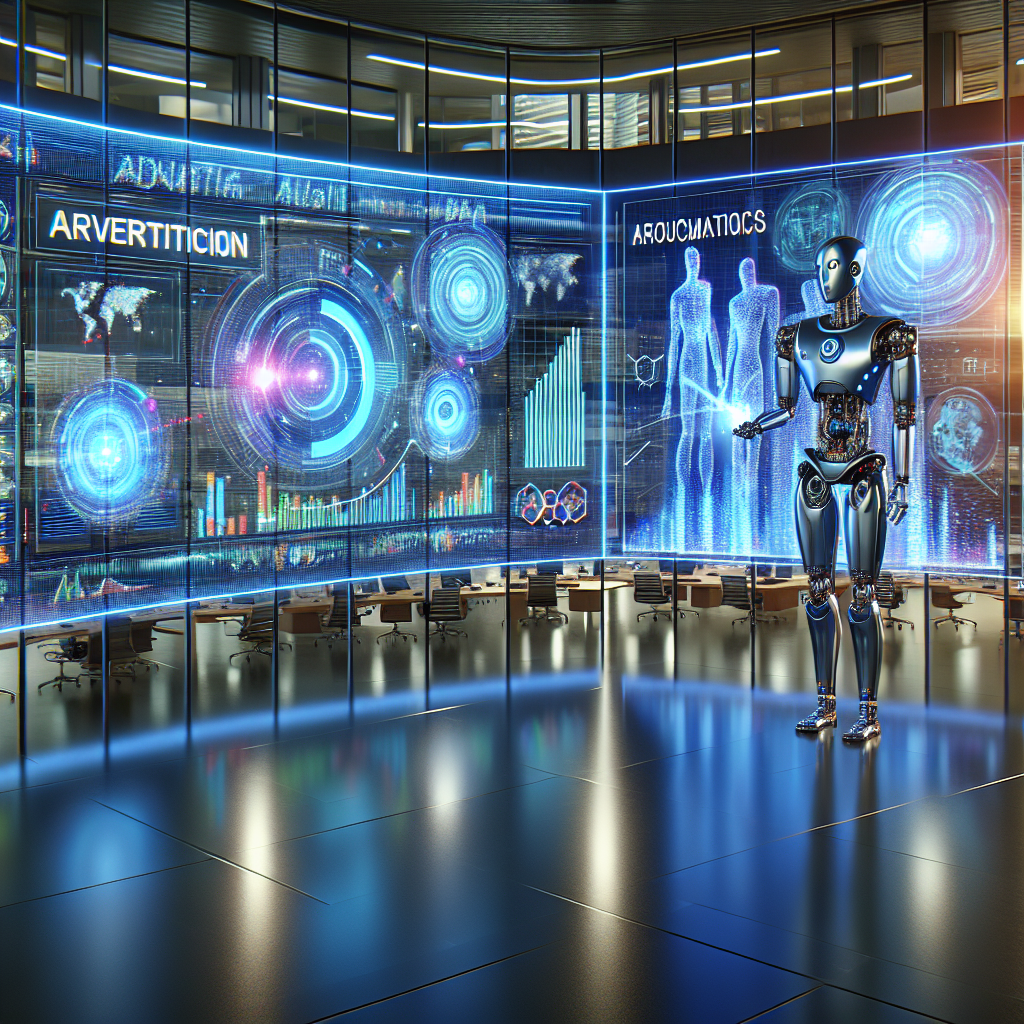
In a transformative leap for the advertising industry, AI-driven robots are now at the forefront of automating brand messaging and human resources tech. This shift not only streamlines operations but fosters innovative strategies for engaging consumers, thus reshaping how brands interact with their target audiences. As AI advertising automation becomes more prevalent, its profound implications are captivating marketers and HR professionals alike.
Background/Context
The advertising landscape is undergoing a seismic shift, driven by the rapid evolution of technology. Traditional marketing methods are increasingly giving way to data-driven solutions powered by artificial intelligence. According to a recent report from McKinsey, businesses utilizing AI for marketing are seeing a 10-15% increase in sales conversions. Consequently, as brands seek to leverage AI to optimize their advertising strategies, the role of automation in human resource technology is also gaining importance, particularly in managing talent recruitment and employee engagement.
Key Developments
Major players in the advertising sector, such as Google and Facebook, have begun investing heavily in AI-driven solutions tailored toward personalized advertising experiences. AI algorithms are now capable of analyzing vast amounts of consumer data, enabling brands to send tailored ads to specific demographics.
- Automation in Ad Creation: Robots are not just executing tasks but are increasingly involved in the creative process. They can now generate content, choose suitable images, and even determine optimal posting times based on audience analytics.
- Real-Time A/B Testing: AI-driven platforms can automatically run multiple ad versions simultaneously, analyzing performance metrics and adjusting strategies in real time.
- Enhanced Targeting: Machine learning algorithms have made it possible for marketers to refine audience targeting with remarkable accuracy, ensuring ads reach the most receptive potential customers.
On the HR tech front, AI-driven automation is altering how companies manage their workforce. According to Gartner, 70% of HR leaders plan to significantly increase their investment in AI and automation technology within the next three years. Tasks such as resume screening, interview scheduling, and talent analytics are becoming increasingly automated.
Impact Analysis
The advent of AI advertising automation has far-reaching implications for various stakeholders, particularly international students aspiring to enter the job market. As companies streamline their advertising and HR processes, they are also creating new roles that require digital literacy, analytical skills, and adaptability to technology.
For students, this offers both challenges and opportunities. While traditional roles may diminish, new positions in digital marketing, data analysis, and AI management are emerging. A survey conducted by LinkedIn indicated that 50% of employers are now seeking candidates with expertise in AI and machine learning. Thus, students who enhance their tech-savvy capabilities stand a higher chance of securing employment in a competitive job market.
Expert Insights/Tips
Industry experts recommend that students and job seekers adopt a proactive approach to stay relevant in an AI-driven job landscape. Here are a few strategies:
- Embrace Continuous Learning: Enroll in online courses related to AI, data analytics, and digital marketing to enhance your qualifications.
- Network and Engage: Attend industry conferences and networking events to meet professionals who are already utilizing AI in their work.
- Internships & Freelance Opportunities: Seek out internships or freelance roles that allow you to gain hands-on experience with AI tools and platforms.
Looking Ahead
The future of AI-driven automation in advertising and HR tech appears promising, with continual advancements in AI technology. As brands move towards more sophisticated automation strategies, the need for skilled professionals who can leverage these tools will only grow. Organizations are anticipated to focus more on using AI for emotional intelligence and customer insights, thereby personalizing consumer experiences even further.
Moreover, as automation removes mundane tasks, it is expected that more creative roles will emerge, prioritizing human creativity and strategic thinking over repetitive operations. Students and job seekers should keep a keen eye on these trends to align their skill sets with the evolving demands of the workforce.
As AI advertising automation reinvents the landscape, understanding its nuances will be vital for both companies and individuals navigating the job market. It’s not merely about technology; it’s about harnessing these innovations to create more meaningful connections in advertising and HR.
Reach out to us for personalized consultation based on your specific requirements.